

One Camp, Multiple Projects: How Reusable Modular Buildings Help Reduce Construction Accommodation Costs in Southeast Asia
Build once. Relocate. Reuse. A smarter approach to workforce accommodation for infrastructure and industrial projects.
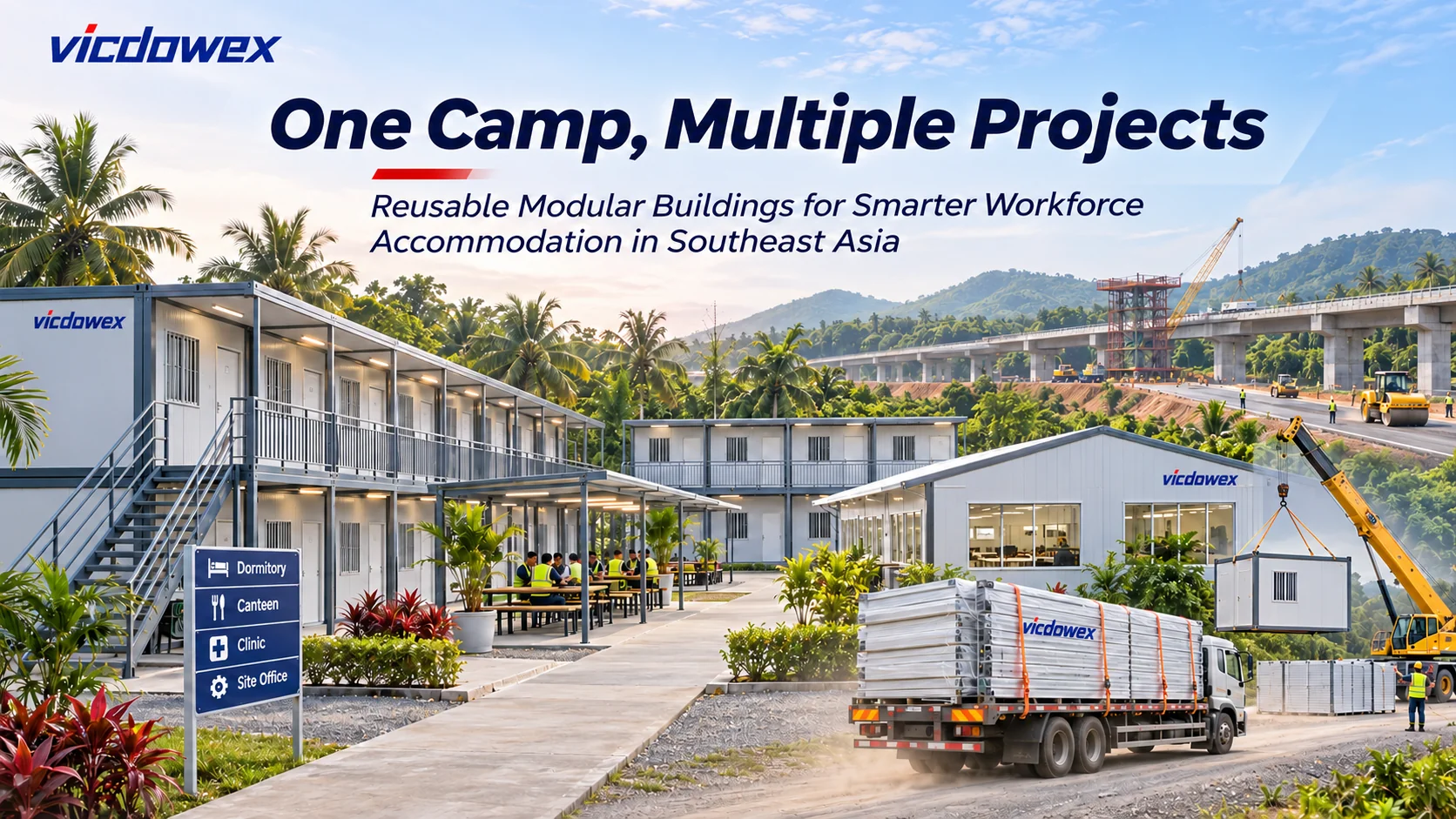
Across Southeast Asia, infrastructure development continues to create demand for temporary workforce accommodation. From highways and railway construction to industrial parks, energy facilities, and large-scale manufacturing projects, contractors face a common challenge: how to provide practical, comfortable accommodation for hundreds of workers while keeping project costs under control.
For many construction companies, setting up a worker camp is a necessary investment. Dormitories, site offices, dining halls, washrooms, and other supporting facilities must be ready before full-scale construction can begin.
But what happens to these buildings when the project is completed?
Traditionally, temporary facilities may be demolished, abandoned, or replaced when workers move to the next project. This can create unnecessary material waste and repeated construction expenses.
VICDOWEX believes there is a more practical solution: modular buildings designed to be dismantled, relocated, and reused across multiple projects.
01 | The Hidden Cost of Temporary Worker Accommodation
Infrastructure projects are rarely completed in a single location.
A contractor may finish a factory construction project in Vietnam before moving to another industrial development. In Indonesia, engineering teams may relocate between energy, mining, or infrastructure sites. In Malaysia, construction companies may manage multiple industrial projects in different regions.
Each new location brings a familiar requirement: accommodation and essential facilities for the workforce.
Conventional temporary construction can involve repeated expenses for building materials, installation labor, site preparation, and eventual demolition or disposal.
For contractors operating several projects over multiple years, these costs can accumulate.
This raises an important question:
What if the accommodation facilities from one completed project could become the starting point for the next?
Instead of purchasing or constructing entirely new buildings every time, reusable modular accommodation can help contractors retain the value of their existing facilities.
02 | From One Construction Site to the Next
VICDOWEX provides modular building solutions for workforce accommodation, construction site offices, and supporting facilities.
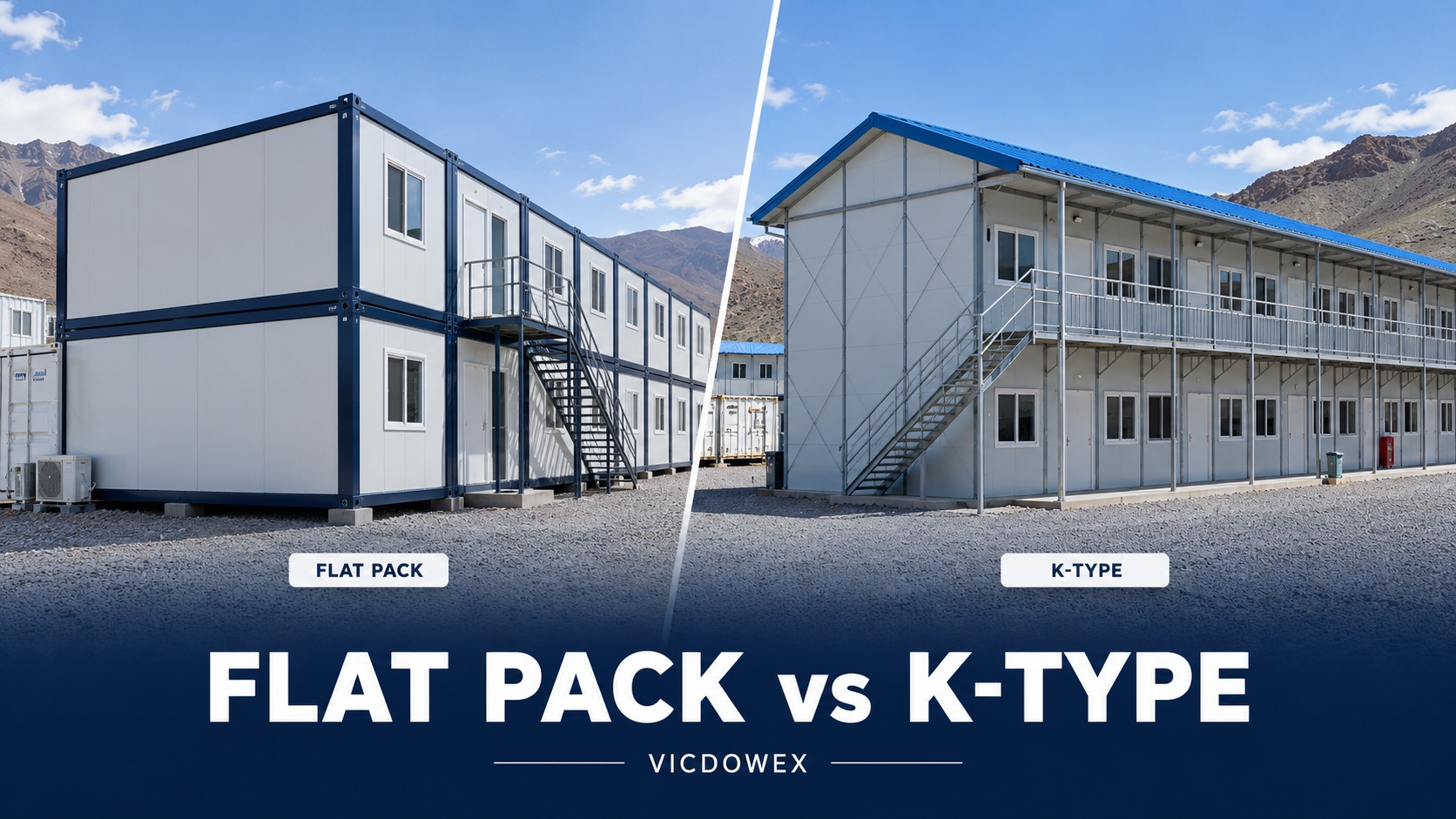
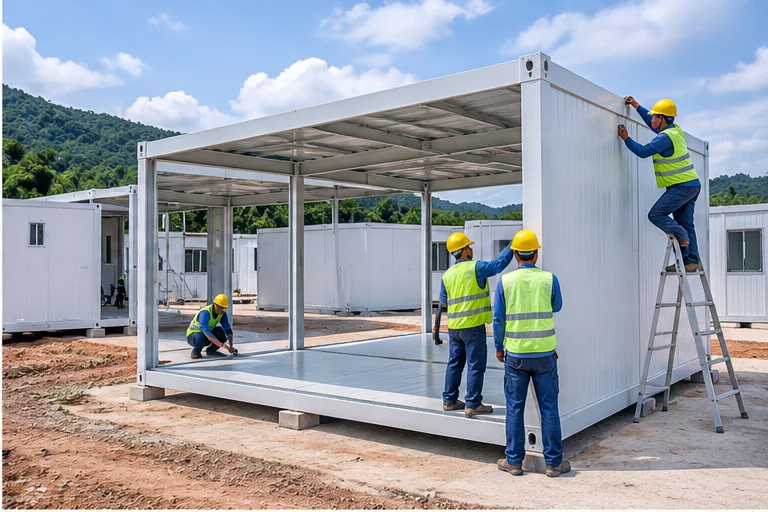
Our Flat Pack Container Houses and other suitable prefabricated systems use standardized components and modular configurations that support efficient installation and planned relocation.
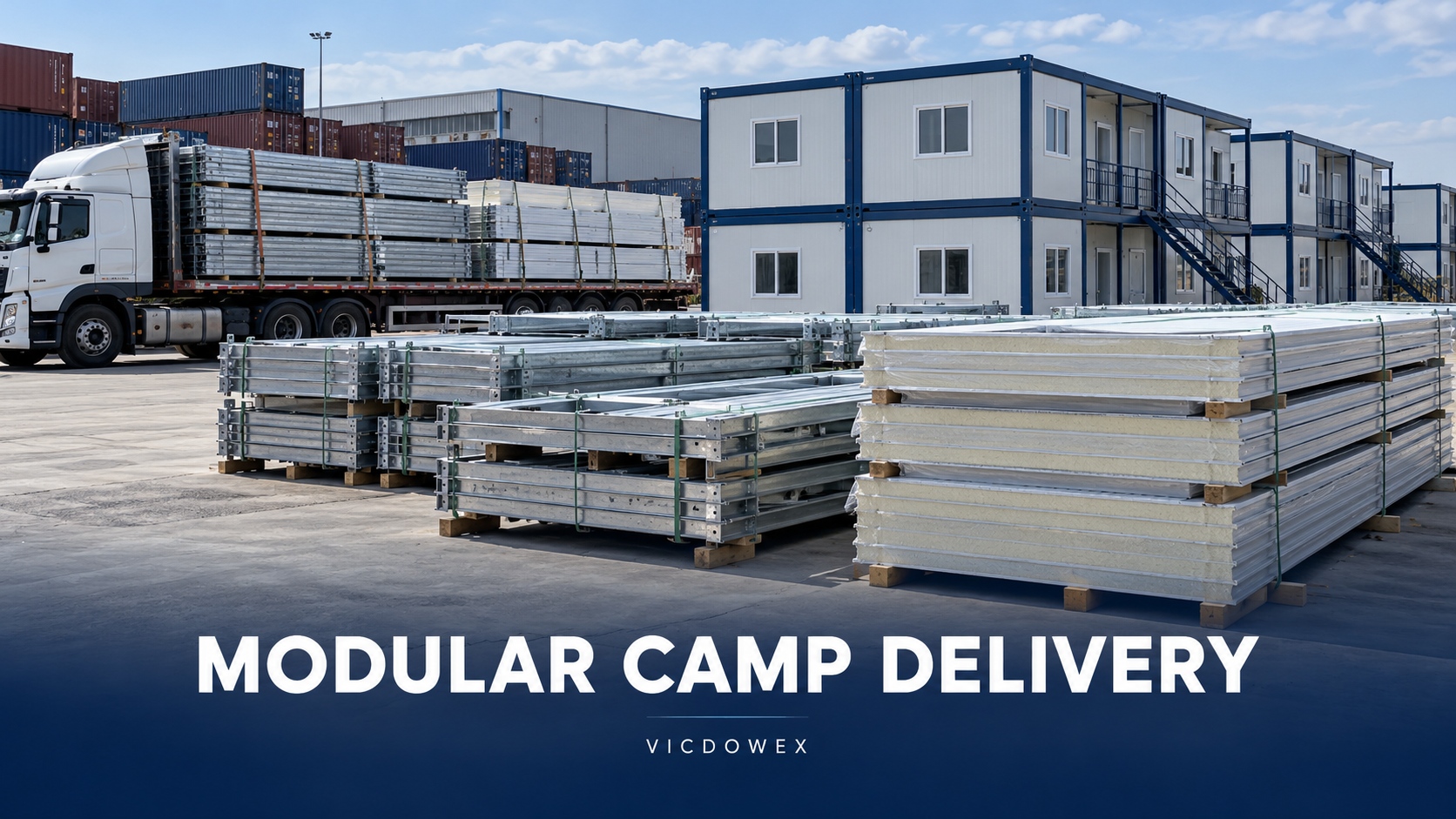
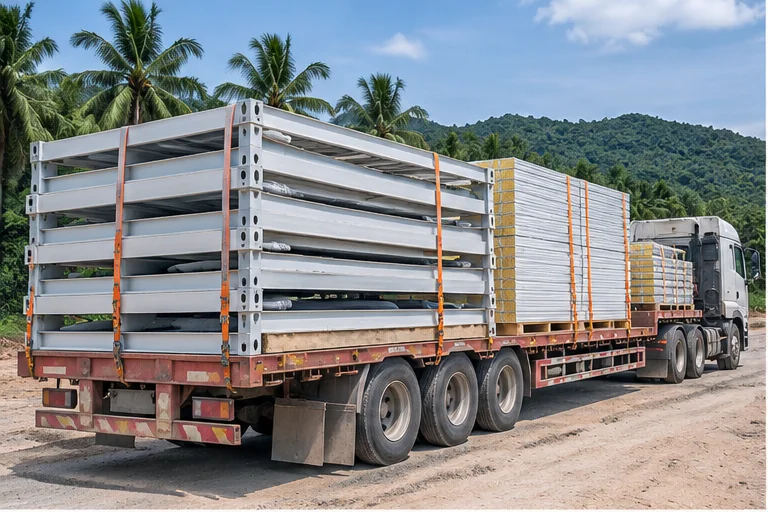
When a project reaches completion, suitable modular buildings can be carefully dismantled, inspected, packed, and transported to the next construction site.
After transportation, the reusable components can be reassembled and adapted to the requirements of the new project, subject to their condition and site specifications.
The process follows a simple principle:
Project A → Dismantling → Transportation → Reassembly → Project B
A dormitory that serves workers at one construction site can potentially provide accommodation at another. A site office may continue supporting a new project team, while reusable dining and sanitary facilities can be incorporated into the next camp layout.
For construction companies with a continuous project pipeline, this offers a more flexible way to manage temporary buildings.
The building does not necessarily need to become waste when the original project ends. It can remain a usable project asset.
03 | Lower Costs Over Multiple Projects, Not Just the First Installation
When evaluating temporary accommodation, the lowest initial purchase price does not always represent the lowest long-term cost.
A contractor purchasing buildings for a single project may focus on the upfront investment. However, companies managing multiple construction projects must also consider the cost of rebuilding accommodation at future sites.
Reusable modular buildings offer an opportunity to distribute the initial building investment across multiple projects.
The potential financial advantages include:
-
Reduced repeat purchasing: Reusable building components may reduce the need to purchase entirely new accommodation units for every project.
-
Lower rebuilding requirements: Planned disassembly and reassembly can reduce the amount of construction work required at subsequent sites.
-
More efficient transportation: Flat-pack designs can support compact shipment of suitable modules and components.
-
Flexible capacity planning: Modular units can be arranged according to changing workforce numbers and project requirements.
-
Better long-term asset utilization: Buildings can continue providing value beyond their first deployment.
Actual savings depend on factors such as transportation distance, building condition, labor costs, maintenance requirements, local regulations, and the number of reuse cycles.
For contractors planning several projects, evaluating accommodation costs over the full operating period can provide a clearer financial picture than comparing initial purchase prices alone.
The goal is not simply to buy cheaper buildings. It is to make better use of the buildings already purchased.
04 | Less Demolition, Less Waste, More Responsible Construction
Sustainability is becoming an increasingly important consideration in infrastructure and industrial development.
For temporary construction facilities, one practical way to support more responsible resource use is to extend the useful life of existing building components.
Modular buildings that are designed and maintained for reuse can help reduce the need for repeated material production and avoid some of the demolition waste associated with conventional temporary structures.
Factory-prefabricated components also allow more construction activities to be completed in a controlled production environment before delivery to the site.
When planned appropriately, this approach can support:
-
Reduced unnecessary construction and demolition waste
-
More efficient use of building materials
-
Extended service life of reusable components
-
Reduced demand for replacement materials across multiple projects
-
More resource-conscious temporary construction
Environmental benefits depend on the actual reuse process, transportation distances, maintenance, and the materials involved.
For contractors and developers working toward sustainability objectives, reusable modular buildings provide a practical opportunity to incorporate circular construction principles into everyday project operations.
A more sustainable construction site begins not only with how buildings are manufactured, but also with how many times they can be used.
05 | Better Accommodation for the People Building Southeast Asia
Behind every highway, factory, railway, and energy project are the people responsible for building it.
For workers spending months away from home, accommodation is more than a temporary shelter. It is where they rest, recover, eat, and prepare for the next working day.
Cost efficiency should not come at the expense of essential living conditions.
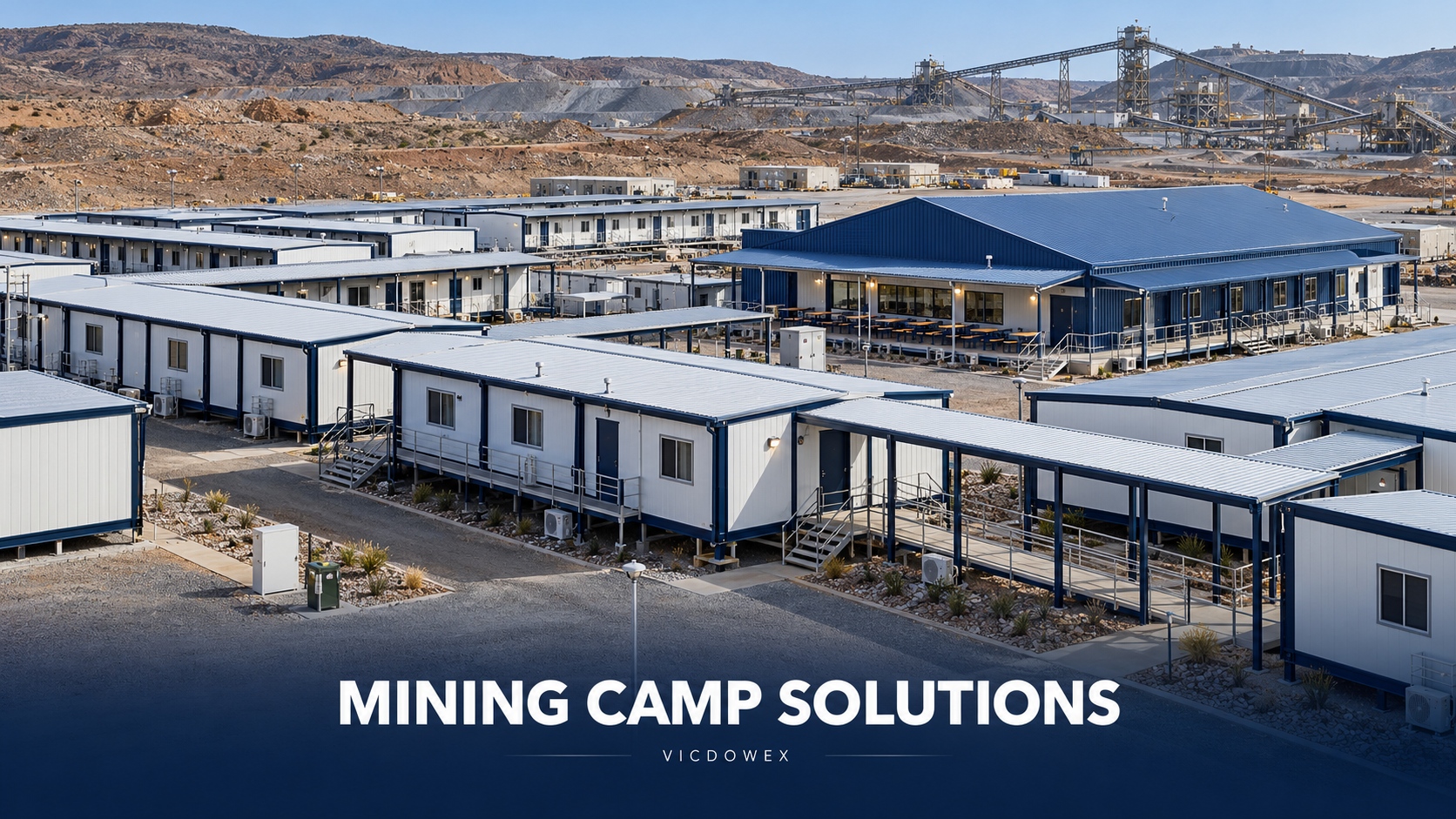
With appropriate design, VICDOWEX modular systems can be configured into practical workforce camps that include:
-
Worker dormitories and staff accommodation
-
Site management offices and meeting rooms
-
Dining halls and canteens
-
Toilets, showers, and sanitary facilities
-
Storage rooms and other supporting spaces
Insulated wall and roof systems, ventilation arrangements, electrical installations, and suitable interior layouts can be selected according to project requirements and local conditions.
This is particularly important in Southeast Asia, where hot, humid, and frequently rainy conditions require careful attention to thermal comfort, moisture management, ventilation, and waterproofing.
By combining practical living facilities with reusable building systems, contractors can better balance workforce welfare and long-term project expenditure.
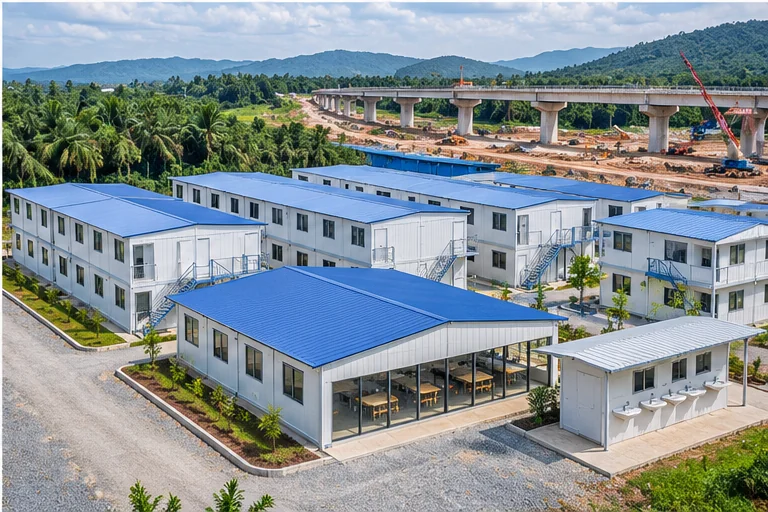
06 | A Practical Solution for Southeast Asia's Infrastructure Projects
From Vietnam and Malaysia to Indonesia, the Philippines, Thailand, and Cambodia, construction projects vary in scale, location, climate, and duration.
However, many contractors share similar operational needs: rapid workforce mobilization, reliable accommodation, controlled budgets, and efficient project relocation.
VICDOWEX modular building solutions can be considered for a variety of applications:
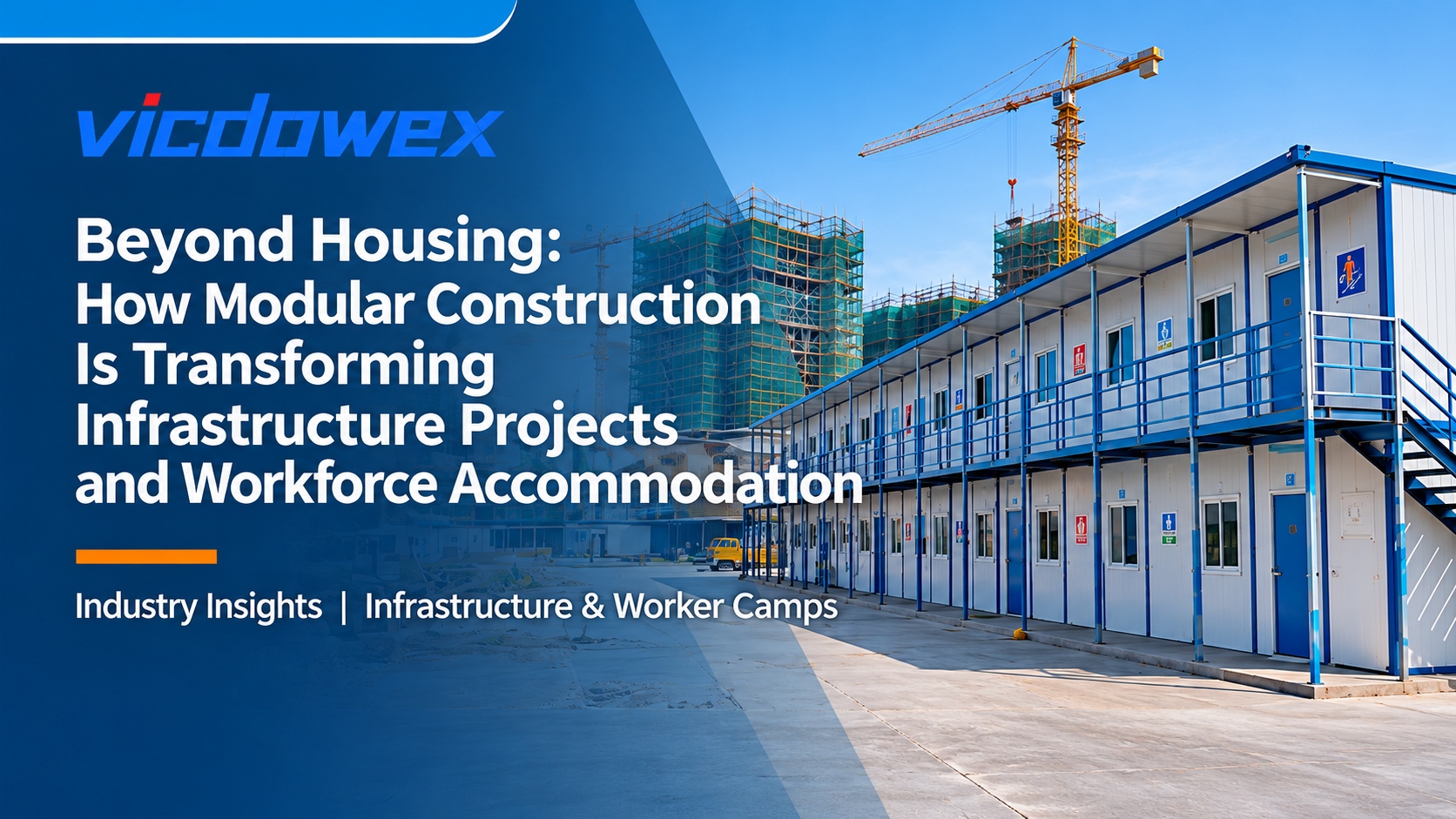
Road and Railway Construction Camps
Temporary dormitories, offices, and welfare facilities for infrastructure teams working across different construction sections.
Industrial Park and Factory Construction
Workforce accommodation and site offices for industrial developments where contractors may move between successive projects.
Energy and Mining Projects
Modular accommodation and supporting facilities for remote locations, subject to access, environmental conditions, and project-specific requirements.
Large-Scale EPC Projects
Configurable worker camps that can be expanded, reduced, dismantled, or relocated as workforce requirements change.
For companies operating across several sites, planning for modular building reuse from the beginning can make future relocation more practical.
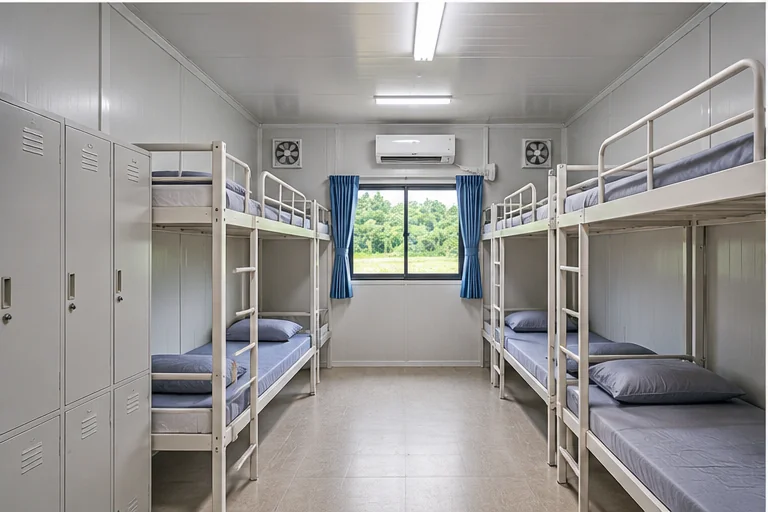
07 | VICDOWEX: Modular Buildings Designed for Practical Project Needs
At VICDOWEX, we understand that construction companies need more than temporary buildings.
They need accommodation solutions that fit project schedules, workforce requirements, transportation arrangements, and long-term budgets.
Our product portfolio includes Flat Pack Container Houses, Quick Assemble Container Houses, Folding Container Houses, and other prefabricated building systems.
Different products offer different advantages in transportation, installation, configuration, and relocation. The appropriate solution depends on the project and the intended reuse strategy.
For multi-project workforce accommodation, VICDOWEX can work with customers to evaluate modular layouts, building configurations, and future relocation requirements.
Our objective is to help contractors develop accommodation solutions that deliver practical value throughout the project lifecycle.
Build for Today's Project. Plan for Tomorrow's.
A construction project may be temporary, but the investment in worker accommodation does not always have to be.
For contractors managing a series of infrastructure and industrial projects across Southeast Asia, reusable modular buildings offer an opportunity to rethink how temporary facilities are purchased, installed, and managed.
Instead of starting from zero at every new site, suitable accommodation buildings can continue serving workers and project teams through planned relocation and reuse.
Less unnecessary rebuilding. Better use of resources. More value from every investment.
That is the approach VICDOWEX supports through practical modular construction solutions.
Planning Workforce Accommodation for Your Next Project?
Whether you are developing a construction camp in Vietnam, an industrial facility in Malaysia, or an infrastructure project elsewhere in Southeast Asia, VICDOWEX can help you explore modular building solutions suited to your project requirements.
Tell us your project location, expected workforce size, required facilities, and anticipated project duration. Our team can discuss suitable building options and relocation considerations.
Contact VICDOWEX
Phone: +86 13602305481
WhatsApp: +852 9388 4727
Email: info@vicdowex.com
Website: https://www.vicdowex.com/
Alibaba International Store: https://vicdowex.en.alibaba.com/